Belonging in the Barn: Healing Horsemanship for Inclusive Growth
I have actually viewed a peaceful barn aisle become a classroom, a therapy space, and often a celebration. Equines appear to collect people who might not feel comfortable in other places, and they offer us a sincere mirror. That mirror can be difficult, but it is never ever cruel. Succeeded, therapeutic horsemanship develops a location where worried youngsters discover strong ground, hectic minds settle into rhythm, and groups learn the easy art of listening.
What we suggest by therapeutic horsemanship
The expression covers a vast array of equine-assisted services. Some programs concentrate on mounted lessons that build balance, interest, and interaction. Others run unmounted equine-assisted tasks, where individuals discover to lead, groom, and work from the ground. There are likewise trains who use equines as companions in equine-facilitated mentoring for leadership and individual development, and experts supplying equine-facilitated health that draw from mental wellness and somatic practices. The common string is experiential knowing with equines, where responses arrives via movement, breath, and the horse's response.
Horses are target pets. Their survival relies on checking out body language and power long before words arrive. This sensitivity is the peaceful engine of therapeutic job. If you transform your breathing, a steed will commonly transform their own. If your emphasis scatters, the horse tells you. If your objective steadies, doors open. It is tough to fake authenticity around a 1,000 extra pound biofeedback tool with a mane.
A day in the arena
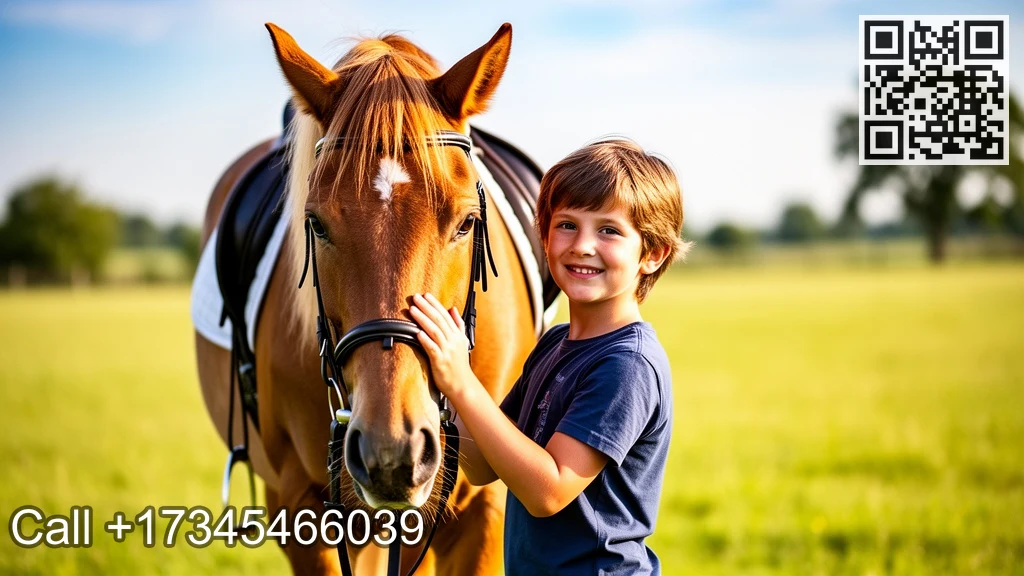
On Tuesday evenings I satisfy Leo, a nine-year-old in our autism equine learning program. He enjoys maps and hates loud echoes. We begin in the edge of the interior where the audio fades and the dirt light softens. He brushes our mare, Poppy, with slow-moving circles. We count with each other. One to ten on the shoulder, after that switch sides. When his hands obtain quickly, Poppy shifts her weight. We pause, stretch fingers, return to circles. After a couple of weeks, Leo started asking to lead Poppy across ground posts. He utilized to rush them. Now he looks up, factors with his belly button, and they action, action, pause. He grins when they land a peaceful halt right at the cone.
On Thursday early mornings, I deal with a 34-year-old teacher called Marisol that carries persistent stress and anxiety like a knapsack that never comes off. We start in hand with a gelding called Finn and a simple pattern. Stroll, halt, back two actions, breathe. When her thoughts crowd in, her hands creep up the lead rope, and Finn supports. We reset by naming three forms we can see in the field, growing our feet, and letting the rope obtain soft again. Gradually her body learns a brand-new sequence. Notification, work out, ask. She tells me she uses the very same pattern prior to moms and dad conferences.
There are additionally Saturday sessions for group building with steeds. A marketing group will certainly can be found in convinced this is a depend on fall with hay bundles. Ten mins later on they will certainly be perplexing over why their strategy to press an equine with a U-shaped chute fizzled. The horse stood there blinking while the group disputed. A quiet intern actioned in, softened her arms, and the equine followed a curve of space she produced. That is equine-assisted training in short. You can not speak a thousand extra pounds into a new tale. You need to behave it.
What makes the barn feel like belonging
Belonging is not a poster. It is a collection of small minutes that inform participants this location can hold them. The routines assist. Names go on the white boards at the start of every hour. Every horse's preferences are printed on the brushing kits. Safety helmets get fitted without fanfare. We keep extra wintertime handwear covers in a tidy bin and a couple of weighted lap pads tucked close by for clients who clear up with pressure. There is a reduced bench by the door for early shifts, with fidget bands that can withstand boots.
The volunteers make the remainder. Good volunteers learn to be side-walkers and silent allies. They watch for the flinch that states a band massaged as well tight or the reluctance that hints at sensory overload. They exercise being present without fixing. One of our best side-walkers discovered to hum the exact same song an individual's mommy utilized at home. That mild thread transformed an unsteady trot into a string of steady strides.
We additionally build option right into sessions. A customer that avoids the placing block can begin with leading. An individual that dislikes the interior lights can function outside by the fencing line if ground enables. The factor is growth, not compeling the very same shape for everyone.
What changes, and just how it has a tendency to unfold
People typically ask what results to expect. The sincere response is that change frequently starts with the fundamentals, after that emits. Balance improves for several motorcyclists within 8 to 12 weeks of regular sessions. That could appear like longer holds in 2 factor, steadier hips at the walk, or fewer collapses with one side. For others, the very first change is co-regulation. We see taking a breath slow-moving to match the steed's rhythm. As soon as a participant feels that swing and finds the four-beat walk, interest broadens and speech typically comes even more easily.
For ADHD equine finding out support, the mounted work produces a rhythm that assists organize sequencing. We will turn a disorderly sector into a clear course: blue cones first, after that the barrel with the scarf, then home to the poles. The equine is the metronome. We make the route visible and repeatable. Over sessions, impulsive rushing become purposeful transitions. The steady pressure and launch of reins and legs, incorporated with the horse's prompt comments, provides structure without scolding.
Alternative treatment for sensory difficulties leans on structure and speed. Some clients long for deep stress and succeed with a much heavier saddle, a sheepskin pad, and slow-moving, long-lines from the ground before placing. Others obtain bewildered by touch and gain from verbal grooming games prior to they ever before grab a curry comb. I have actually had individuals who can not tolerate wind in the indoor but found peace strolling a fenceline route under trees. Somatic recovery with steeds typically begins by doing this, by meeting the nerves where it sits and layering in small resistances, one step at a time.
As for stress and anxiety support with horses, even little wins matter. I bear in mind an attorney that could not unclench her jaw long enough to offer a soft ask. We worked on breath first. Inhale to the ears, exhale to the tail. That image provided her something concrete. The moment she felt Finn yawn and lick, she laughed. We utilized that laugh as a pen. With time, worries that generally lived in her upper body slid down into her boots and out with the sand. She still carries plenty, however she found a routine that works without a display or a to-do list.
Making the job safe without draining pipes the life from it
Safety becomes part of belonging. Programs that crumble typically do so at the joint between care and mayhem. A competent program leader will certainly pair horses attentively, turn work, and expect refined indications of pain. We have a tough stop for equines who pin ears, wring tails more than when, or reveal a sudden head-toss in the aisle. It is kinder to retire a horse to groundwork than to push it past its patience and run the risk of a bad moment.
The exact same goes for people. We screen for seizure history, bone density issues, and fresh surgical procedures. Mounted work may not be ideal for everybody. Equine-assisted tasks from the ground can be equally as rich, in some cases richer. Among my finest problem-solvers never rode. He discovered to aggress a stroll, notice angled sets, and call a reversal without pulling. The confidence he drew from coordinating a stylish turn brought right into school, where he lastly elevated his hand without prompting.
We maintain emergency plans simple and rehearsed. Radios billed, gates locked, release knots only, safety helmets looked for age and fit. Personnel and volunteers discover exactly how to take a breath before providing a guideline. A tranquil voice and a solitary clear ask turn near-misses into stories that finish with a high five.
What a session really looks like
A regular hour opens up with three mins of arrival. Footwear off the installing block actions, helmets checked, handwear covers adjusted. We alleviate right into responsive contact by greeting the equine at the shoulder and waiting for a sniff toward the hand. After that grooming, which is not concerning glossy layers even mapping the equine's body. With some customers, we will call the large muscles of the shoulder and hip. With others, we keep a steady tempo. Circle, button, circle, button. The regimen does component of the regulation.
If we ride, mounting is smooth and sustained. One side-walker, a steed leader, and a sidewalker coach if required. The first loophole is always a scenic tour at the stroll to notice weather condition, light, and the steed's power. We include 1 or 2 concentrated jobs. It may be changes within the stroll, stopping at every letter, or weaving five cones with a touch at each. For riders servicing trunk stability, we might work https://hectorroom000.lucialpiazzale.com/seasons-of-adjustment-year-round-equine-assisted-services-for-growth with a bareback pad for a couple of minutes, after that go back to a saddle as energy wanes.
If the session is an equine-assisted mentoring hour, the plan looks various. We may start with a standard check of presence. What do you feeling in your shoulders and jaw. What does the good sense in you. Then a task like sending out a steed via a space without a lead rope. Individuals often find out more from what does not function than what does. A tug turns a steed sticky. An open hand at the equine's shoulder invites movement. We hang around noticing the micro-adjustments that make all the difference.
Every session gathers gratitude and a reset. Cyclists get down to a hint count. We stroke the equine's neck and comment on one clear success. The eleventh hour comes from the horse. Head down, lick and chew, maybe a loosened rein and a slow walk back to the cross connections. That is exactly how we signify an end that feels complete.
Horses that educate best
Not every kind steed is a treatment horse. The best educators are generous yet have opinions. A steed who will quietly represent a restless cyclist is vital, but so is the mare that steps large when a leader gets strained. That small action states, examine your shoulders. We veterinarian for stability and temperament, then invest months, often a year, in training for program life. Desensitizing to loud jackets and wheelchairs becomes part of it, but the much deeper job is building a hint vocabulary. Stand methods plant all four feet. Walk on implies a soft surge, not a screw. Whoa suggests surface the thought.
Body care is nonnegotiable. Ample turnover, consistent farrier work, chiropractic care or massage therapy as required, and breaks constructed into the week avoid fatigue. We track workloads by minutes with motorcyclists at each gait to make sure that no horse quietly takes on greater than is fair. When doubtful, we return to foundation and liberty sessions to rejuvenate curiosity.
Working along with clinicians
Many barns partner with occupational therapists, physiotherapists, psychological wellness professionals, or certified trainers. Equine-assisted services profit when professionals collaborate. An OT may recommend using a hefty round toss at the halt to feed proprioceptive input prior to transitions. A therapist could lead a breathing series from an acquainted strategy utilized in the office. The riding trainer translates those goals into horse-friendly tasks that keep the session safe and interesting. The triangular is effective when duties are clear and vanities remain small.
When mentoring teams or executives, credentialed equine-facilitated mentoring brings structure. We established goals in advance, maintain workouts time bound, and debrief with language that moves to the office. It can be as simple as, what did you attempt, what took place in the steed, what occurred in you, what will you try next conference. A good debrief anchors the barn lesson in Monday early morning reality.
When horses support teams
Equine-assisted coaching for teams remove lingo. You can not speak an equine right into aligning with your vision statement. You either straighten your body and intent, or the equine pulls out. That is the lesson several groups require. Nonverbal alignment comes first, after that technique, after that words. A group that learns to create space, signal instructions plainly, and adjust without blame will certainly typically lug that back to their jobs with fewer potholes.
I as soon as worked with a healthcare system reeling from continuous turn over. We established a job that called for the equine to step via a narrow L-shaped passage. The initial attempt declined into three leaders giving contradictory hints. The horse planted. On the second shot, the nurse who normally hung back took the center. She positioned one hand reduced, one high, stopped briefly until her breath dropped, after that asked. The horse tipped via. The group called the change as they saw it. One voice at once. Room for a time out. Authorization to lead without apology. Those sentences wound up on a whiteboard in their break room.
Measuring growth with humility
Data in this area can be untidy. Improvements in balance are easiest to measure. We can track independent minutes at the walk, less touches from side-walkers, smoother transitions, or variety of motion gains. Psychological policy and social skills frequently show up in quieter markers. A rider who used to screw across the field now waits for the installing block. A teenager that never made eye call in the past will glance up when the steed flips an ear. For some families, one of the most effective metric is a weekly yes rather than a fight in the car.
We prevent appealing miracles. Horses are not a treatment. They are a context that can make learning sticky. When the barn environment corresponds, when team train well and horses are secured, the probabilities of purposeful adjustment rise.
Access and inclusion in practice
Cost is an actual obstacle. Grants and scholarships aid, however the barn has overhead that hay and great intentions do not cover. Some programs likewise arrange much shorter, tiny team sessions to lower per-person expenses without sacrificing safety. Flexible tack can open up doors. Loophole reins help riders with minimal hold. Toe stoppers and security braces minimize danger. Placing ramps and lifts make riding possible for customers in wheelchairs. On the ground, we develop visual routines with icons and shade codes for individuals that gain from clear sequencing.
Language issues also. We ask for preferred names and sensory notes on intake forms. We replace shame words like crisis with phrases like hit a sensory wall surface. Staff practice neutral coaching signs. As opposed to stop fidgeting, we attempt plant your feet like roots. Instead of cool down, we offer match the horse's breath for 4 steps.
Choosing a program that fits
If you are searching for a barn, see and view a session from the sidelines. Listen to the pacing of the trainer's voice. Notification if volunteers look supported or shed. Ask exactly how they match horses to individuals and just how they retire horses that need a new task. Good programs speak about fit as opposed to guaranteeing any kind of horse will certainly do for any motorcyclist. Ask exactly how they handle missed out on sessions and tiredness. Barns that appreciate individuals and horses will have caring limits, not simply open arms.
Here is a straightforward checklist you can give your visit.
- Clear security routines visible without being scolding
- Horses with soft eyes and a location to remainder between sessions
- Instructors who trainer basically, concrete phrases
- Volunteers that are attentive without over-touching
- A plan for climate, sensory overload, and stylish exits
For households browsing ADHD and sensory differences
Parents often arrive tired from years of redirection and notes from college. The barn can provide a new beginning. We established objectives that make good sense in the body. Beat the cone means locate a constant trot to the fifth cone, then bring it back with a breath. Accumulating cards on a pattern develops functioning memory without a worksheet. Foundation that calls for matching actions educates pacing much better than a lecture.
For Different treatment for sensory challenges, begin little. Perhaps your child only brushes for ten mins and afterwards plays a leading video game throughout poles for five. That could be enough for the very first month. Pushing for a complete ride prior to the nerve system is ready commonly backfires. Commemorate micro-wins. Today he touched the girth without recoiling. Today she stood in the doorway and smelled the barn air. Those minutes stack.
When mentoring and wellness overlap
Equine-facilitated wellness and equine-facilitated coaching usually share devices. Both deal with existence, boundary setup, and comments that is immediate and embodied. The difference lies in scope. Mentoring tends to focus on goals, action steps, and accountability in work or individual development. Wellness work leans right into regulation, meaning-making, and healing patterns stored in the body. In technique, the line is soft. A customer who learns to set a clear limit with an equine typically makes use of the very same body memory to establish a border with a colleague.
A quick comparison can aid you decide where to start.
- Equine-facilitated coaching: goal oriented, time bound, concentrated on efficiency and leadership, strong debriefs
- Equine-facilitated wellness: law oriented, paced to the nervous system, integrates breath and body awareness, room for emotion
- Therapeutic horsemanship lessons: ability oriented, installed and unmounted, development in riding and equine care, developmental goals
- Equine-assisted tasks: accessible foundation video games and knowing, social skills, teamwork, no riding required
- Mental wellness partnered sessions: led or co-led by qualified clinicians, much deeper processing, clear dilemma protocols
The little points that maintain individuals coming back
I keep pepper mint items in my pocket, not as allurements however as rituals. We end sessions with a pepper mint if the equine's intestine mores than happy with it. One for the equine, a deep breath for the rider, a last scrape on the withers. I change used safety helmet liners prior to they obtain scratchy. We move the placing block every hour to keep it from feeling like a hazard. We maintain signage basic and friendly. Adventure with heart, lead with eyes, breathe with your horse.
These touches say, you matter below. When a customer returns after a hard week, the barn fulfills them right where they ended, not where the schedule states they need to be. Growth sneaks up in the quiet consistency. A cyclist who once needed 3 side-walkers might swing off one. A corporate team that arrived unconvinced might reserve a follow-up since they maintain estimating the mare that would hold one's ground until somebody really listened.
Why belonging in the barn alters greater than horse skills
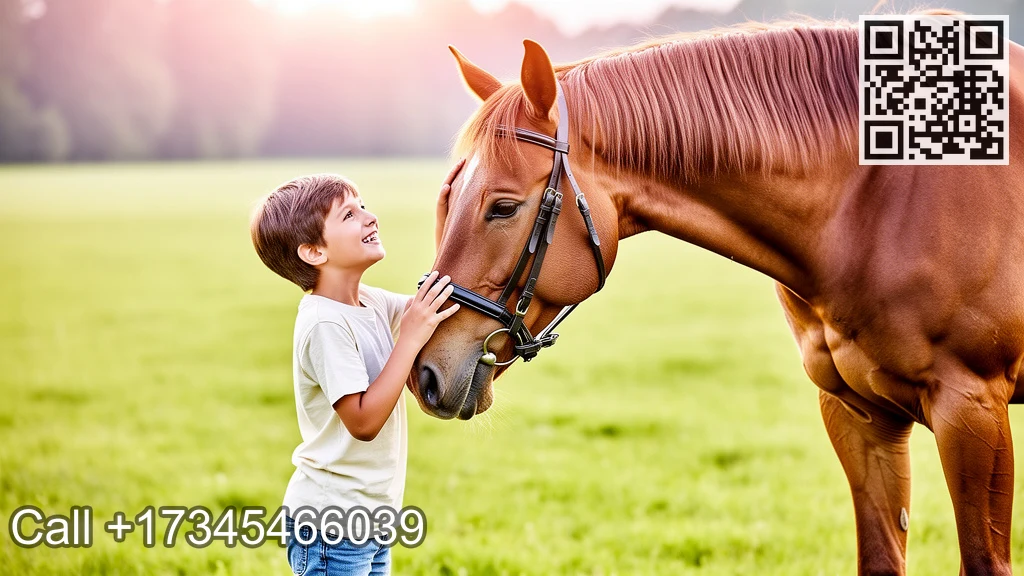
Horses do not care if you have letters after your name, or if your report card is a tangle, or if your order of business can paper a wall surface. They respect whether you show up in a way that makes good sense to them. Consistent, clear, curious. When people find out to be that person for a steed, they often discover they can be that person on their own and for others.
Therapeutic horsemanship opens up that door in such a way couple of setups can. The sand under your boots, the scent of tidy hay, the rhythm of hooves, and the candid responses from a partner who has no schedule all collaborate. For individuals with ADHD, autism, stress and anxiety, or sensory distinctions, the barn can be an unusual area where the body finally reaches lead the mind, not the other way around. For leaders and teams, it comes to be a laboratory where clarity beats quantity and existence defeats posture.
I have actually pertained to trust what takes place when we place individuals and equines together with treatment. Not every minute is stylish. Often the lesson is a reset, a slow walk, or a kind no. But the field keeps supplying what numerous crave most, a real possibility to belong, expand, and be seen without requiring to come to be another person first. That is the present of this work. It is why, week after week, we sweep the aisle, tack the horses, fit the safety helmets, and greet everyone by name.
Happy Hooves Wellness
9177 Gross Rd, Dexter, MI 48130
+17345466039
https://www.hhooves.com/