Hands, Unguis, and Heart: Experiential Discovering That Lasts
The https://trevorqsst327.trexgame.net/quieting-the-nervous-system-somatic-recovering-with-horses gelding before me, a wide-eyed sorrel with a crescent of white on his forehead, is breathing like a bellows. Close to him, a young adult named Eli is striving to be still. It is not working out. His feet touch a quick rhythm, his hands turn the end of a lead rope, his eyes skitter across the arena. I ask Eli what his breath is doing. He shrugs. The equine grunts and turns an ear toward him. We count together, 4 in, 4 out, and I reveal him how to widen his stance so his knees stop locking. The steed softens first. After that Eli's shoulders drop a fraction of an inch. The air changes. We do not talk about calm. We practice it. We feel it take a trip from a child's ribcage to a steed's flank, and back again.
Hands, hooves, and heart, all in the very same discussion. That is the pledge of learning with horses.
What understanding appears like when the sector comes to be the classroom
Experiential knowing with horses is not about finding out to ride, although riding can be part of it. It has to do with direct involvement, clear feedback, and abilities you can feel in your bones. The steed reads the entire of you, not just the tale you tell about on your own. You attempt something, the equine reacts, you readjust. There is no academic worksheet that can take on a thousand-pound teammate who answers your request in real time, with passion or reluctance or a silent step forward.
Terms differ, and the area is richer for it. Healing horsemanship often tends to focus on structure physical, psychological, and cognitive skills via structured horsemanship jobs. Equine-assisted solutions is a broader umbrella that can include psychological health treatment, work or physical therapy, equine-assisted activities for recreation and growth, and mentoring or wellness job that is not professional. When a facilitator discuss equine-facilitated training or equine-facilitated health, they are typically defining personal or professional advancement alongside an equine rather than treatment of a diagnosis. The usual thread is this: we let the horse be an equine, and we let the connection do component of the teaching.
I have enjoyed a company team battling with depend on learn more in a morning of team building with horses than they had in a quarter of slide decks. I have additionally watched a child on the autism range discover that the softest touch makes a huge animal action, and for the first time see that his body can be a precision tool, not simply a resource of sound. The material adjustments, the form of the arena modifications, the boots track their very own patterns in the dust. The reason it lands stays the very same. It is lived.
Why horses are such good teachers
Horses are target animals with finely tuned nerve systems. They survive by seeing the tiniest changes, after that matching, preventing, or welcoming accordingly. Individuals can mask and justify for hours. Steeds do not mask. They respond to congruence, to whether your within and outside concur. This can be troubling if you are utilized to managing on words. It can also be liberating.
From a nerves perspective, horses offer co-regulation. You step into the existence of a large, hip to mammal whose heartbeat is slower than your own, whose breath cycles are much longer, whose focus relocate a clear pattern from near to far and back once more. If a program is established with the steed's welfare and agency front and center, the animal's calm interest becomes a design. Customers find out to orient their eyes and body, to observe their very own breath, to move from competing thoughts to felt sense. Somatic recovery with horses does not mean the equine is a therapist. It implies that the body, human and equine, becomes part of the process. We build ability one experience at a time.
The physical dimension of a horse likewise matters. Requesting activity and obtaining it, or requesting for space and having a steed regard it, converts strongly to social borders. You can not fake a border with a thousand extra pounds of point of view. You gain it with clearness, timing, and justness. For teens discovering authorization and assertiveness, or leaders exercising delegation, there are couple of mirrors as honest as a steed at the end of a lead.
A day in the sector, action by step
Programs differ, yet a well-held session complies with a rhythm that appreciates both students and herd. Right here is a typical flow when I bring a novice into the work.
- Arrival and check-in. We orient to the room, testimonial safety, and talk about objectives in simple language. If anxiousness is high, we begin by merely seeing the herd from outside the fence.
- Consent and option. We discover which steed is readily available and interested. If a steed pins ears or leaves, we reviewed that as details, not rejection, and readjust. Customers find out that no is enabled, for steeds and for people.
- Groundwork. We start on the ground prior to riding, often for the entire session. Haltering, leading, brushing, and spatial workouts develop relationship and confidence.
- Reflection moving. Between tasks, we pause to name what simply took place. Not a lecture, an inquiry or more. What helped that job. Where did it obtain sticky. What transformed in your body. The steed's actions is our data.
- Transfer. We connect the really felt experience to life beyond the arena. What version of this turns up in your home meetings. How will you practice the skill this week.
You will certainly see a great deal of peaceful because flow. Silence is not a space. It is where nerves clear up and discovering sticks.
The different tracks and that they fit
Equine-assisted services live at the crossway of entertainment, education and learning, and health and wellness. The ideal track relies on your goals and context.
Therapeutic horsemanship is perfect if you want organized skills that sustain equilibrium, coordination, focus, and self-confidence. A motorcyclist with light spastic paralysis might service core engagement and timing. A middle schooler who prevents eye get in touch with might exercise giving three clear hints to a steed, after that see how the animal's response modifications with tone and posture. Procedure are generally once a week, with objectives set in quarters or terms. The standards are concrete. Mounting individually. Halting at a cone with loosened reins. Maintaining a consistent rhythm around the arena.
For mental wellness therapy, look for programs where an accredited clinician partners with an equine expert. Anxiousness assistance with horses can resemble interoception job, tolerating unpredictability, and exercising grounding abilities under moderate stress and anxiety. Think leading an equine over a tarpaulin, not carrying out techniques. Customers often report better sleep and less panic spikes after four to eight sessions when they likewise exercise skills between check outs. That range is truthful, not enchanting. Without homework, gains drift.
Equine-assisted training, often called equine-facilitated training, focuses on leadership, interaction, and individual development without the clinical framework. An owner embeded micromanagement can find how to request motion, then launch, and watch as an equine tests and selects to follow. Group hideaways frequently entrust a shared language. We had the rope as well limited. We never reset after complication. It is much easier to take care of a practice in the field than in the conference room due to the fact that the horse offers you feedback without ego.
Equine-facilitated health bridges all of these when the objective is strength, tension reduction, and a more regulated baseline. It fits educators, nurses, and initial responders. The format may be semi-structured groups with short education on the nerves, adhered to by equine time and debrief. It is not treatment, yet it can feel deeply therapeutic.
For students with ADHD, autism, and sensory differences
I have actually shed matter of how many households show up expecting something steadier than suggestions and benefit graphes. ADHD equine finding out support rest on motion and immediacy. Equines request for micro-decisions and compensate them right now. Do you notice the adjustment in ear direction. Can you readjust your energy to match. You do not wait on a gold star. You get a horse moving better or strolling with you, and that comments loophole is tight enough to train attention. We keep jobs short, differ them, and construct in purposeful jobs. Bring the horse to water, not as a metaphor, actually. Bring the container together. Count your steps so the slosh stays even. Executive function job conceals in those moments.
An autism equine learning program appreciates sensory profiles. For some customers, cleaning is calming, the rhythmic pressure of curry comb in other words circles. For others, the grit and hair are subduing, so we change to a softer brush or bridegroom with a wet towel. Eye get in touch with is optional. We show equines to respond to clear signals that do not require gazing, like a company, straight hand at the shoulder. Installed job, if ideal, includes sluggish, predictable patterns and strong support at the hips or ankles. The equine's stride boosts the biker's vestibular system. In some cases that is precisely what aids a body arrange. Often it is too much. We regulate. Earplugs and breaks are fine. Accuracy can not expand in a swamped system.
Alternative treatment for sensory obstacles works finest when it is customized and sincere. A child that looks for deep stress may like to lean into an equine's neck with supervision, really feeling the heat and muscular tissue. A kid that stays clear of touch might choose to observe silently and build trust fund before any kind of get in touch with at all. Not every barn is a match for every nervous system. The scent of leather and hay is grounding to some and overwhelming to others. We listen, then we choose.
There are also restrictions. Horses are not ideal for active psychosis or severe aggressiveness. A teenager with untreated injury who dissociates conveniently could require stabilization in a quieter scientific setting prior to entering the unpredictability of a sector. We do not toss big feelings at huge pets and call it endure. We build capacity in layers.
What success appears like and how long it takes
People ask me how many sessions it requires to see adjustment. The sincere answer is that it relies on the goals and the stability of the program. For a corporate team focused on team building with equines, a half day can reshape exactly how they interact. The steed reveals their default patterns swiftly. They entrust a common experience and two or three commitments they can exercise back at the office.
For private work with anxiety or focus, 4 to 6 sessions is a reasonable window to analyze fit. Because span, customers often report qualitative changes. Going to sleep quicker. Recouping from a spike in 3 minutes instead of twenty. Raising a hand in class without practicing every word. For motorcyclists constructing physical skills, 8 to twelve weeks allows toughness and balance catch up with intention.
I pay even more attention to sturdy pens. Does a youngster move their halt-walk-halt clarity to asking a brother or sister to quit touching their stuff. Does a supervisor that found out to release pressure after a clear ask stop sending follow-up e-mails at 10 p.m. Do family members report fewer morning blowups due to the fact that they now stop, breathe with the pet, and leave 5 mins previously. Knowing that lasts appears on Tuesday at 7 a.m., not simply Saturday in the arena.
Safety, well-being, and what to ask prior to you enroll
A strong program worths equines as partners, not props. That begins with the herd's health. Equines need yield, social get in touch with, ideal tack, and pause. They likewise require the right to claim no. If an equine pins ears or swishes a tail, staff ought to see and respond, maybe switching pets or altering the job. Approval is not only a human concept.
Look for facilitators that are learnt their lane. In therapy-focused settings, that suggests an accredited mental health and wellness professional working with an equine specialist who understands equine behavior and risk management. In training or health care, inquire about qualifications in both coaching and equine handling. Training phrases are plentiful. What matters most is how clearly the staff can clarify their approach, how they manage triggers and fixings, and whether you really feel seen in the consumption process.
Clothing is not insignificant. Closed-toe footwear with a company sole are required. Safety helmets are typical for mounted job and should be used for groundwork if a customer is unstable or new. Sessions often run in the 45 to 75 minute array. Expenses vary by region and solution kind. Group experiences can be as low as 50 to 100 dollars each, while individual treatment or training typically runs 100 to 200 dollars per session. Scholarship funds exist at lots of barns, usually sustained by regional benefactors. Ask.
Here is a succinct checklist I provide families and teams when they visit programs.
- How are the equines chosen for this job, and what does their downtime appearance like.
- Who remains in the arena with us, and what are their qualifications.
- How do you deal with a customer or steed that says no, vocally or nonverbally.
- What are the goals for the very first month, and just how will we understand if it is working.
- How do you prepare us for exercising abilities in between sessions.
If the responses audio unclear or salesy, maintain looking. Deep learning does not call for buzz. It does call for clarity, limits, and a culture of respect.
Coaching and groups, translated to the office without jargon
One afternoon, a start-up group of 6 involved work with delegation. Their pattern knew. Two dominant voices routed most tasks. Originality died if they were not best at birth. The exercise was basic. Relocate a horse through a set of challenges without touching the animal. Only one individual could talk each time. The initial effort degenerated right into a dispute about whether to begin with the bridge or the poles. The equine yawned, after that drifted towards a volunteer with a softer presence.
On the 2nd attempt, they attempted short huddles between actions and shorter, clearer instructions. The equine complied with the arc of their interest. When the CTO failed to remember to stop after an ask, the steed stalled. When the junior developer advance with a details job and after that stepped back, the equine livened up and strolled on. The group saw, in 10 minutes, the price of unclear ownership and consistent discourse. Back at the office, they produced a method. One person proposes, another improves, after that they test in a 2 day sprint with silence throughout the examination. They obtained that silence from the field. They maintained it since it worked.
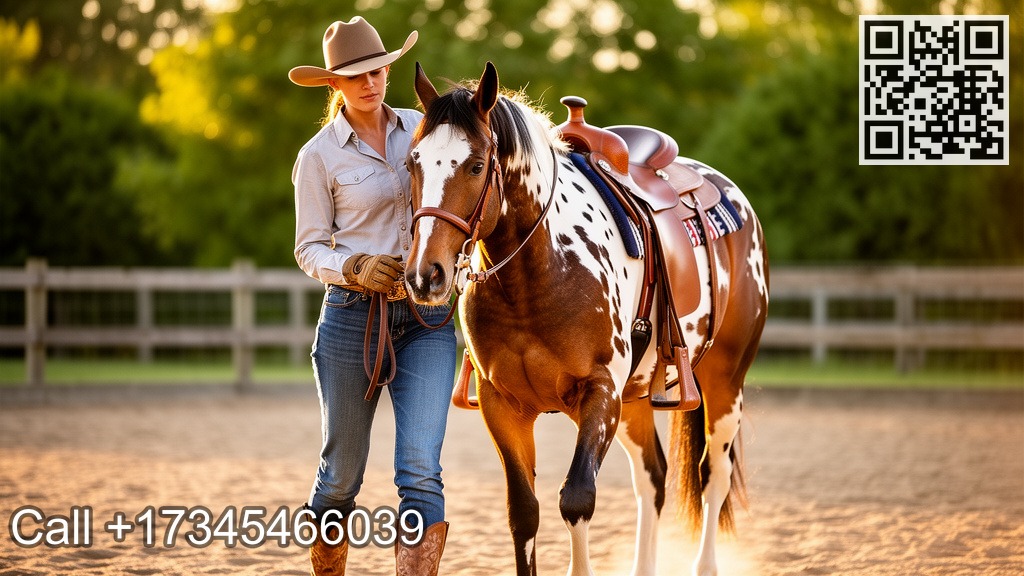
Equine-assisted training strips out buzzwords. It transforms core skills into muscle memory. Notification prior to you act. Ask with a clear body and voice. Release when the various other has done what you asked for. Reset when it goes sideways. Those rules work with hooves and on Slack.
The quieter job of recovery and growth
Not every tale has a neat arc. Some resemble this. A lady grieving her father concerns the barn incapable to endure tranquility. She has actually been effective beyond procedure, cleaning up residences, looking after a brother or sister's kids, working doubles. In the field, she can barely stand still for three breaths. The steed keeps leaving. Not in a dramatic way, just wandering away to munch at a hay internet. She laughs, then sobs, after that claims, That is what my body feels like, leaving. We exercise standing in the exact same area with each other for thirty seconds. We practice touching the steed's shoulder, seeing the structure of hair under her palm. She finds out to remain with a feeling simply enough time to name it. Six weeks later, she takes her very first day of rest in months. Not because any individual informed her to. Due to the fact that her body remembers that it can work out without breaking.
Equine-facilitated health usually appears like this, little changes that gather. The equine provides a reflection you do not have to argue with. The facilitator maintains the container clean and secure. The discovering steps slowly sufficient to be integrated, quickly enough to be interesting.
Measuring what matters without minimizing it to numbers
Programs sometimes chase after metrics to please funders, and measurement serves. Participation, objective attainment scaling, reductions in self-reported anxiousness, enhancements in exec function jobs, these can all be tracked sensibly. I additionally take notice of subtler signals. Does a customer turn up in a timely manner a lot more consistently. Do they ask a clearer inquiry in the initial ten minutes. Do they recuperate much faster when a steed declines a request, shifting from force to curiosity.
For youngsters, teachers are a goldmine of information. I request for tales. Less calls home about blurting. Smoother shifts between courses. Extra desire to try a non-preferred job. When a child begins to make use of a phrase like soften your hands with a brother or sister or take a breath before you ask with a parent, I understand the discovering has erased of the arena.
Trade-offs and side cases that are entitled to attention
Some students fall for equines and intend to ride every session. For them, we make installed job contingent on groundwork. The compromise is real. Riding can accelerate equilibrium and rhythm, yet it can likewise mask relationship if made use of as an incentive. I try to find a ratio that keeps the link primary. Frequently that implies riding the 2nd fifty percent of the hour after we have actually checked in on breath and boundary work with the ground.
Other times, mounted work is not ideal in any way. A client with pelvic instability, acute pain in the back, or a history of sexual injury that makes resting astride setting off might do far much better with freedom operate in a round pen or organized pet grooming. Development does not require a saddle. You can practice timing and permission magnificently at a steed's shoulder.
Weather is an edge situation you can not appeal away. Cold, wind, warmth, and mud adjustment exactly how horses relocate and exactly how human beings really feel. Great programs have indoor options or modified prepare for questionable days. In my barn, high wind means less obstacles and more observation. Warmth indicates shorter sessions and shade breaks. Honoring weather is not coddling. It is realism, and it maintains everyone safe.
Preparing on your own or your kid to begin
The evening before a first session, I send a brief note. Wear layers, closed-toe shoes, and clothing that can obtain dusty. Eat a snack ahead of time. Bring a canteen. Expect to really feel much more, literally and emotionally, than common. That is not a caution. It is permission.
If you are a moms and dad, tell your kid 2 or 3 things, after that stop. We are going to fulfill horses. We will discover exactly how to remain safe. You get to choose. Do not oversell it. Allow the barn and the horse do the convincing. Kids sense when we are trying too hard. Steeds do too.
For groups, pick one common objective you can call in a sentence. We talk over each other. We avoid tough feedback. We lose focus after dispute. Vague hopes dilute the job. Particular rubbing makes it honest.
Why this learning lasts
Practice defeats concept when it involves the nervous system. You can check out limits or partnership for several years and still ice up when it is time to act. In the arena, you feel it. You learn exactly how your breath reduces when you request for activity. You discover what occurs when you hold excessive stress and when you release ahead of time. You discover that interest works better than pressure with a thousand-pound pet, and after that you see that it likewise works better with your teen or your team.
The heart part issues. Equines welcome inflammation without sentimentality. You curry dust from a shoulder and see the skin twitch under your hand. You notice the pattern of hair development and a mark you had not seen. You care, not in an abstract way yet in a hands-on way that changes how you move. That care expands, usually without excitement, into how you manage yourself elsewhere.
The hooves component matters. Movement locks in discovering. You walk. You stop. You step sidewards. You do it once again. Your body enters into the memory. My customers remember the feeling of an excellent ask, the weight change of a stop, the release in their very own forearms. Later on, when they remain in a tough discussion, they can find that feeling and recreate it without a saddle or lead rope anywhere in sight.
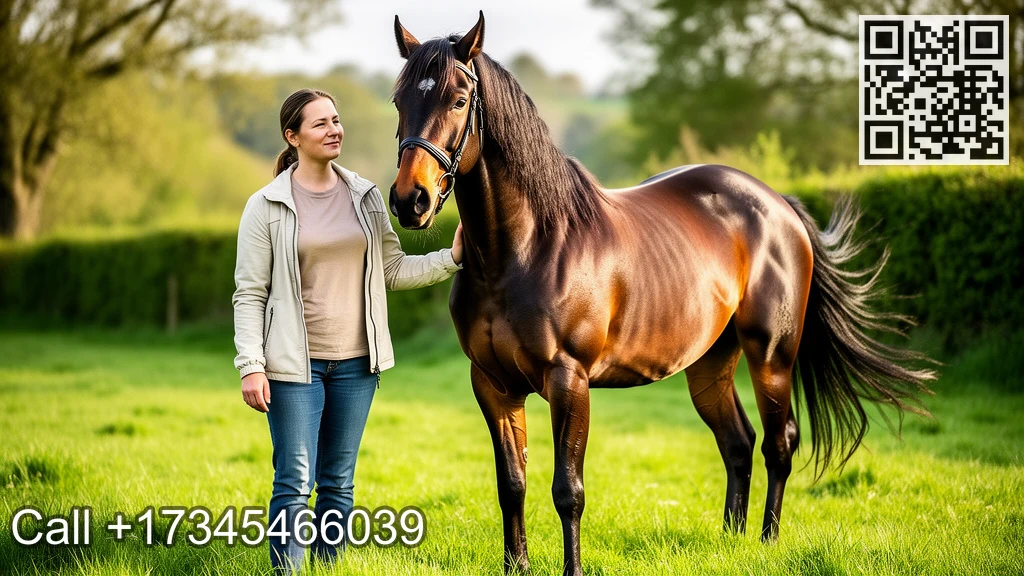
And the hands. Collaborate with steeds is not symbolic, it is sensible. You twist, connect, scrub, lift, and bring. The labor is part of the medicine. It provides satisfaction and concreteness to individuals who have been talked at. It reveals results. A sloppy hoof becomes clean. A twisted lead comes to be neatly coiled. A sector loaded with obstacles comes to be a course you and an equine browse together, step by step.
Finding your way in
If this job phones call to you, begin by checking out. Stand at the fence and allow the herd soften your vision. Ask the personnel concerning their horses as people. If they can inform you what every one likes, that gets nervous near the gate, that favors soft voices, you are in great hands. If the barn gives off hay and clean sweat, if the tack is in order, if individuals welcome the horses by name and wait on ears to flick before approaching, you have actually found a society that counts on slow-moving attention.
From there, the course will certainly be your own. Maybe it is equine-assisted tasks for your kid who needs a work that really feels real. Maybe it is equine-assisted mentoring for you as a leader discovering to allow go. Possibly it is resting on an installing block while an equine grazes nearby, exercising the radical act of breathing all the way down to your feet.
Hands, unguis, and heart. The sector keeps its own time. The lessons suit Tuesday at 7 a.m., where they matter most.
Happy Hooves Wellness
9177 Gross Rd, Dexter, MI 48130
+17345466039
https://www.hhooves.com/